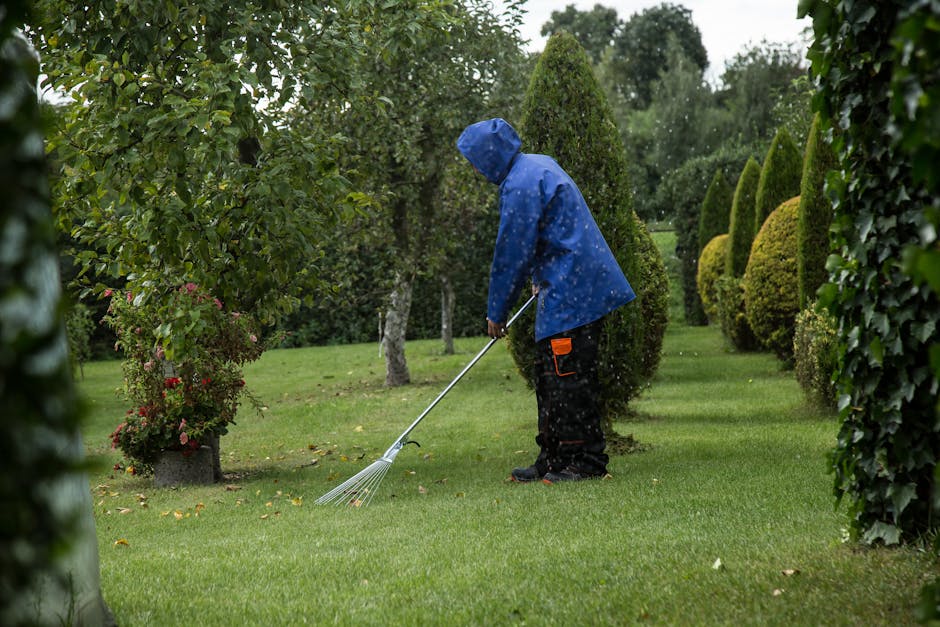
Leamouth garden maintenance costs what to know
If you are trying to understand Leamouth garden maintenance costs what to know, you are probably doing one of two things: planning a regular tidy-up or comparing quotes and wondering why the numbers vary so much. Fair question. Garden work can look straightforward from the outside, yet once you factor in lawn care, hedges, weeds, access, waste removal, and seasonal pressure, the price can change quite a bit.
This guide breaks it down in plain English. You will see what usually shapes garden maintenance pricing in Leamouth, how different service types are typically structured, where hidden costs can creep in, and how to keep the work efficient without cutting corners. If you want a broader overview of upkeep options, you may also find the page on garden maintenance services useful while you read.
Let's make sense of it properly, without the fluff.
Why Leamouth garden maintenance costs what to know matters
Garden maintenance is one of those services that people often postpone until the borders are wild, the lawn has gone patchy, and the hedge is doing its own thing. By then, the work usually takes longer and costs more. That is the first big reason this topic matters: the condition of the garden directly affects the cost.
In Leamouth, many gardens are compact, hidden away, or shaped around terraces, decking, shared access paths, and small courtyards. That sounds simple, but small urban gardens can be oddly fiddly. A narrow side return, limited parking, or no easy waste access can add time to even a routine visit. So when you are budgeting, you need to think beyond "how big is my garden?" and ask "how easy is it to maintain?"
Costs also matter because garden maintenance is rarely a one-off decision. For many homeowners, landlords, and small businesses, it becomes a recurring service. A slightly higher monthly spend can be better value than paying for a heavy rescue job every few months. Truth be told, a neglected garden is often the expensive option.
There is also a quality angle. If you compare quotes without understanding what is included, you can end up paying for a quick surface tidy when you really needed weed control, hedge shaping, lawn care, or waste clearance. That's a frustrating way to spend money, especially when you were expecting a proper reset.
So the real issue is not just price. It is value, scope, timing, and fit. Once you understand those, the quotes start making sense.
How Leamouth garden maintenance costs what to know works
Garden maintenance pricing is usually built from a few main ingredients. Providers may quote by the hour, by the visit, by the size of the garden, or by the task. Some will blend these approaches depending on the job. That is perfectly normal.
Here is the simple version:
- Labour time - how long the work will take on site.
- Garden condition - a tidy garden is cheaper to keep neat than a heavily overgrown one.
- Task type - lawn mowing is usually simpler than hedge reduction or clearance.
- Equipment required - specialist tools, machinery, or extra manpower can raise the cost.
- Waste disposal - green waste removal may be included or charged separately.
- Access and logistics - stairs, tight entrances, parking issues, and shared access can affect efficiency.
- Frequency - regular visits often cost less per visit than occasional ad hoc work.
That mix is why one quote can look higher than another and still be better value. For example, a provider who includes clear-up, edging, and waste removal might cost more upfront than someone offering a bare-bones visit, but the total cost can actually come out more sensible. You really do need to look at the whole picture.
If you are comparing longer-term upkeep, it is useful to distinguish between maintenance and improvement. Maintenance keeps a space tidy and healthy. Improvement changes the layout, solves structural issues, or refreshes tired areas. If you are moving beyond routine care, services such as landscaping support or even tree surgery may need to be considered alongside the day-to-day work.
One practical thing to remember: quotes are often based on assumptions. If you have not mentioned a steep bank, heavy leaf fall, or a hedge that has not been touched in years, the original number may not hold. That is not a trick. It is just the reality of quoting work without seeing the site in detail.
Key benefits and practical advantages
It is easy to think of maintenance as a cost only. In practice, it often prevents bigger costs later. A steady maintenance plan can save money, time, and a fair bit of stress.
Some of the biggest benefits are:
- Better budget control - regular work spreads the spend across the year.
- Healthier planting - weeds, pests, and dead growth are dealt with earlier.
- Less emergency work - fewer major cutbacks, clearances, or rescue visits.
- Better kerb appeal - important if you are selling, letting, or simply want the place to feel cared for.
- Safer outdoor spaces - fewer slippery paths, overhanging branches, or trip hazards.
- More usable space - the garden actually feels like a garden again, not a storage area with shrubs.
There is also a less obvious benefit: regular maintenance helps you notice problems early. A patch of poor turf might be a watering issue, insect damage, or compaction. A hedge may be blocking light in one border. A patio can start to feel grubby long before anyone mentions it. If those little signals are picked up early, the fix is usually cheaper and cleaner.
If your garden includes lawned areas, it may help to read about lawn care support and lawn mowing services too, because mowing alone is not the same as maintaining healthy turf. People mix those up all the time.
And if weeds are your daily nuisance, the article on weed control offers some helpful practical thinking. Not glamorous, no. Useful? Very.
Who this is for and when it makes sense
Garden maintenance costs matter for a surprisingly wide group of people.
- Homeowners who want the garden to stay manageable rather than becoming a seasonal crisis.
- Landlords and letting agents who need outdoor areas to remain presentable between tenancies.
- Busy families who do not have time to stay on top of the growth cycle every weekend.
- Older residents who may prefer occasional professional help for heavier tasks.
- New garden owners who are still learning how much upkeep their space really needs.
- People with premium planting such as specimen shrubs, climbers, or delicate container displays.
It makes sense to consider professional help when a garden starts asking for more than casual DIY can comfortably provide. That might be when hedges are getting too tall, weeds are returning too quickly, or the lawn needs more than a once-over with the mower. Sometimes the clue is simple: you keep saying, "I'll deal with it next weekend," and next weekend never quite arrives. Happens to the best of us.
Maintenance is also worth it if the garden serves a function beyond looks. A pet-proof space, child-friendly play area, or quiet seating corner needs regular upkeep to stay safe and pleasant. If that is your setup, you may find the related guides on pet-proof garden ideas and child-friendly garden transformation useful for planning around the space itself.
Step-by-step guidance
If you want to manage garden maintenance costs properly, start with a clear picture of the work rather than a vague "general tidy-up". That one phrase can mean almost anything.
- Walk the garden slowly and list the jobs: mowing, edging, hedge trimming, weeding, pruning, leaf clearance, washing paths, and waste removal.
- Separate the urgent from the cosmetic. A blocked path or overgrown tree branch is more important than a tired flowerbed.
- Measure the rough workload. Is it a 20-minute job or a half-day? That matters more than square footage alone.
- Decide on frequency. Weekly, fortnightly, monthly, or seasonal visits all lead to different price patterns.
- Ask what is included. Does the quote cover clearing up, bagging waste, and taking cuttings away?
- Check specialist needs. If the work includes hedges, slopes, trees, decking, or hard surfaces, make sure the quote reflects that.
- Compare like for like. A cheap quote with minimal inclusions is not the same as a fuller service.
- Set a maintenance rhythm. Once the garden is brought under control, regular upkeep is usually more efficient than another big rescue later.
If you want a broader service overview before making decisions, the gardening services page can help you see how a maintenance plan might fit into the rest of the property work. And for people who want more confidence before starting, the piece on beginner gardening tips is a solid companion read.
One small but important tip: take photos before you ask for a quote. Not polished photos. Just honest ones. A few clear images can prevent misunderstandings and speed up the estimate process.
Expert tips for better results
After years of seeing gardens in all states of life - neat, overgrown, half-renovated, and occasionally a bit feral - a few patterns always stand out.
First, keep the maintenance routine seasonal. Spring and summer usually need more frequent attention because growth is faster. Autumn tends to bring leaf fall and drainage issues. Winter is often about protection, clearance, and preventing damage rather than making everything look perfect. If you plan around the season, you spend smarter.
Second, group jobs together where possible. For example, hedge cutting, weeding, and waste removal can be more efficient as one visit than three separate call-outs. That said, don't bundle so much work together that the result becomes rushed. There is a balance here. A good one.
Third, don't ignore the "edge" tasks. Edging lawns, clearing borders, and tidying around paving often make a bigger visual difference than people expect. A garden can look transformed without a full redesign. If your patio is looking dull too, the page on patio cleaning may be worth a look.
Fourth, spend on prevention, not just repair. A little weed suppression, proper pruning, and timely feeding can reduce future labour. That is especially true in compact Leamouth gardens where every square metre counts and messy growth shows quickly.
Fifth, talk clearly about priorities. If you care most about the front view, say so. If the back garden is for children, pets, or quiet sitting, say that too. Maintenance becomes more cost-effective when the work is matched to real use, not just appearance.
And a slightly nerdy but true point: the cleanest-looking gardens are not always the most expensive ones. They are often the best planned. Bit of a cheat code, really.
Common mistakes to avoid
Cost confusion usually comes from a handful of repeat mistakes. Most are avoidable.
- Choosing on price alone - the cheapest option may omit clear-up, waste removal, or essential detail work.
- Not defining the scope - "garden tidy" is too vague for a reliable quote.
- Forgetting access issues - steps, narrow gates, and awkward parking can change the amount of labour involved.
- Ignoring the condition of hedges and trees - these can shift a job from routine maintenance into specialist work.
- Letting problems build up - overgrowth, moss, and weeds are much more expensive when left too long.
- Assuming all gardening tasks are interchangeable - mowing, pruning, trimming, and clearance are different jobs with different effort levels.
There is also a mindset trap: people sometimes expect one major visit to "fix" the garden for the whole year. Sometimes that works for a reset, but usually a better plan is to bring the space back under control and then keep it there. It saves money and avoids that sinking feeling when the grass starts creeping up again two weeks later.
If your garden involves hedges, make sure you understand the likely workload by looking at hedge trimming in Leamouth and the related article on hedge trimming shapes and techniques. Those jobs are often underestimated. Quietly expensive, too.
Tools, resources and recommendations
You do not need a shed full of fancy equipment to understand or manage garden maintenance costs. But a few basics make a difference.
- A simple site checklist - note grass areas, hedges, beds, hard surfaces, and any problem spots.
- Photos from multiple angles - useful for clearer quotes and better planning.
- Calendar reminders - handy for repeat visits, especially during faster growth periods.
- Clear priorities list - what must be done now, and what can wait.
- Basic garden tools - even if you outsource the work, it helps to have secateurs, gloves, a rake, and a decent mower for light upkeep.
If you are building your own toolkit, the article on essential outdoor tools is a practical starting point. For people interested in lower-cost improvements, the post on cost-effective garden ideas can spark a few sensible changes without blowing the budget.
Container planting can also be a smart way to control maintenance spend in smaller spaces, because it gives you tighter control over watering, weeds, and visual structure. If that sounds useful, have a look at container gardening ideas. Small gardens can benefit hugely from that approach.
And if wind exposure is part of the local challenge - not unusual in some London pockets - the guide on protecting your garden from strong winds is a sensible read. Wind damage adds maintenance work in a very unglamorous way.
Law, compliance, standards, or best practice
Garden maintenance is not usually a heavily regulated service in the way some trades are, but there are still important UK best-practice considerations. These matter because they affect safety, waste handling, insurance, and the quality of the work.
Good practice should include:
- Safe use of tools and equipment - especially when cutting hedges, lifting waste, or working near hard surfaces.
- Responsible waste handling - green waste should be managed properly rather than left in a corner or dumped inappropriately.
- Awareness of boundaries and access - particularly in shared or neighbouring spaces.
- Care around trees, structures, and fencing - overcutting or careless work can create more problems than it solves.
- Insurance and liability awareness - a reputable provider should be able to explain how they work safely and what protections are in place.
For customers, it is wise to ask about practical safeguards before agreeing to work. You can also review the pages on insurance and safety and health and safety policy to understand the kind of standards a professional service should be prepared to discuss.
Waste disposal is another area where sensible practice matters. If the garden produces a lot of cuttings, branches, or old plant material, the route that material takes should be clear from the start. If you are interested in turning some garden waste into something useful, the article on rich soil from organic waste is a good reminder that not every offcut needs to become landfill-bound clutter.
Finally, if a company publishes policies about payment, complaints, accessibility, privacy, or modern slavery, that is usually a sign of a more mature operation. The documents at payment and security, complaints procedure, privacy policy, cookie policy, accessibility statement, modern slavery statement, and terms and conditions can help build confidence, even if you only skim them. Not thrilling reading, granted. Still useful.
Options, methods, or comparison table
When people ask about garden maintenance costs, they are often really comparing service styles. Here is a practical way to think about it.
| Maintenance option | Best for | Typical cost shape | Watch-outs |
|---|---|---|---|
| One-off tidy-up | Overgrown gardens, seasonal resets, pre-sale preparation | Usually higher per visit because more labour is needed at once | Can be surprisingly time-consuming if weeds, hedges, and waste all need attention |
| Regular maintenance | Busy households, rental properties, gardens that need consistent care | More predictable and often better value over time | Needs a clear scope so the visits do not become vague "little and often" jobs |
| Task-specific work | Hedge trimming, lawn care, patio cleaning, pruning | Quoted by job or by time depending on complexity | Some jobs need specialist tools or extra disposal costs |
| Seasonal work | Autumn clearance, spring revival, winter protection | Costs vary with workload and urgency | Delaying seasonal tasks can raise the eventual price |
If your garden has a lot of green structure, hedges, climbers, or screening plants, the article on speedy-growing hedges may help you think about future upkeep before planting. That is one of those choices people rarely price in early enough.
For greenery in shaded spots, evergreen climbers for shady corners is another useful angle. A lot of maintenance cost is decided at the planting stage, honestly.
Case study or real-world example
Here is a realistic example from the kind of garden many Leamouth residents deal with: a compact back garden with a small lawn, mixed borders, a hedge along one boundary, and paving that has started to collect moss and debris.
The owner had been doing light DIY maintenance but had let a few jobs slip. The lawn had become uneven, the hedge had shot up, and the borders were full of weeds. At first glance, it looked like "just a tidy-up". In practice, it was a mixed job with different levels of effort.
The sensible approach was to separate the work into parts:
- Clear weeds from beds and edges.
- Cut and shape the hedge.
- Mow and edge the lawn.
- Remove cuttings and debris.
- Assess the patio for cleaning needs.
Once the work was broken down like that, the quote became easier to understand. The garden was not expensive because it was "big"; it was more expensive because several jobs had stacked up. That is a pattern people often miss.
After the first visit, the owner moved to a maintenance plan with shorter, more regular visits. The garden looked better, yes, but the real win was that the future cost became calmer and more predictable. No drama. No huge seasonal rescue. Just a manageable rhythm.
There was one funny moment, actually: the hedge had grown so neatly against the fence that it almost looked deliberate, like a design choice. Nature can be a bit cheeky that way.
Practical checklist
Use this before you request a quote or book a visit.
- List every garden task you want included.
- Note whether the garden is tidy, lightly neglected, or heavily overgrown.
- Take clear photos of the lawn, borders, hedges, paths, and access points.
- Decide how often you want maintenance carried out.
- Ask whether waste removal is included.
- Check if any work involves trees, fencing, decking, or hard surfaces.
- Confirm whether the visit is a one-off or part of an ongoing schedule.
- Make sure the quote is based on the actual scope, not a guess.
- Think about whether regular upkeep would save money over time.
- Keep a note of what was done, so future visits are easier to price.
If you are still at the comparison stage, it can help to look at pricing and quotes alongside the main service pages, including garden maintenance and lawn care. That gives you a better sense of what belongs where.
And if you are ready to speak to someone directly, you can start the conversation via contact options here.
Get a free quote today and see how much you can save.
Conclusion
Understanding Leamouth garden maintenance costs what to know is really about learning how garden work is priced, what affects the effort involved, and where value sits beyond the headline figure. A quote is only useful if you know what is included, how often the work will happen, and whether the garden needs simple upkeep or more involved recovery.
The best outcomes usually come from honest scope-setting, regular maintenance, and a little foresight. That means fewer surprises, less waste, and a garden that stays useful rather than becoming another weekend burden. Simple enough in theory, though gardens do like to throw the odd curveball.
Take a measured approach, ask clear questions, and focus on long-term ease rather than just the cheapest number today. That is usually where the real savings are.
And if the garden has been nagging at you for weeks, maybe that is your sign. Start small, get the right help, and let the space breathe again.
Frequently Asked Questions
What affects garden maintenance costs in Leamouth the most?
The biggest factors are garden condition, job type, frequency, waste removal, and access. A compact but overgrown garden can cost more than a larger tidy one because it takes more labour to get back under control.
Is a one-off garden tidy-up more expensive than regular maintenance?
Usually, yes. One-off jobs often take longer because several tasks have piled up. Regular maintenance tends to be more predictable and can offer better value over time.
Should I ask for a fixed price or an hourly rate?
Both can work. Fixed prices are helpful when the scope is clear. Hourly rates can suit variable or hard-to-define jobs. The key is to know what is included and whether there are extra charges for waste or specialist work.
Does waste removal usually cost extra?
Sometimes. Some quotes include bagging and disposal, while others do not. It is one of the first things to check, because cuttings, branches, and weeds can add quite a lot of bulk.
Why do small gardens sometimes cost more than expected?
Small gardens can still be awkward to work in. Tight access, narrow gates, stairs, parking restrictions, or lots of fiddly features can make the job slower than the size suggests.
What is usually included in garden maintenance?
It depends on the provider, but common tasks include lawn mowing, edging, weeding, hedge trimming, pruning, leaf clearance, and general tidy-up. Always check the scope before booking.
How often should a garden in Leamouth be maintained?
That depends on the garden and the season. Many spaces benefit from more frequent visits in spring and summer, with lighter or seasonal work at other times. A regular rhythm is usually easier on the budget.
Can garden maintenance help avoid bigger repair costs later?
Yes. Early weed control, pruning, lawn care, and tidy-up work can prevent bigger issues such as overgrowth, damaged surfaces, or expensive rescue jobs later on.
Do I need separate services for hedges, lawns, and patios?
Not always, but it can help to treat them as separate parts of the quote. Hedges, lawns, and hard surfaces often need different tools and levels of labour, so clarity keeps pricing fair.
How do I compare two garden quotes properly?
Compare what each quote includes, not just the number at the bottom. Check labour time, waste removal, frequency, materials, and whether the work is a one-off or ongoing. Apples to apples, basically.
Is it worth booking maintenance before the garden gets overgrown?
Absolutely. Preventive maintenance is usually cheaper and easier than recovery work. Once growth gets away from you, the time and cost can rise fast.
What should I prepare before requesting a quote?
Take photos, list the jobs you need, note any access issues, and think about how often you want the work done. The clearer the brief, the more accurate the quote is likely to be.